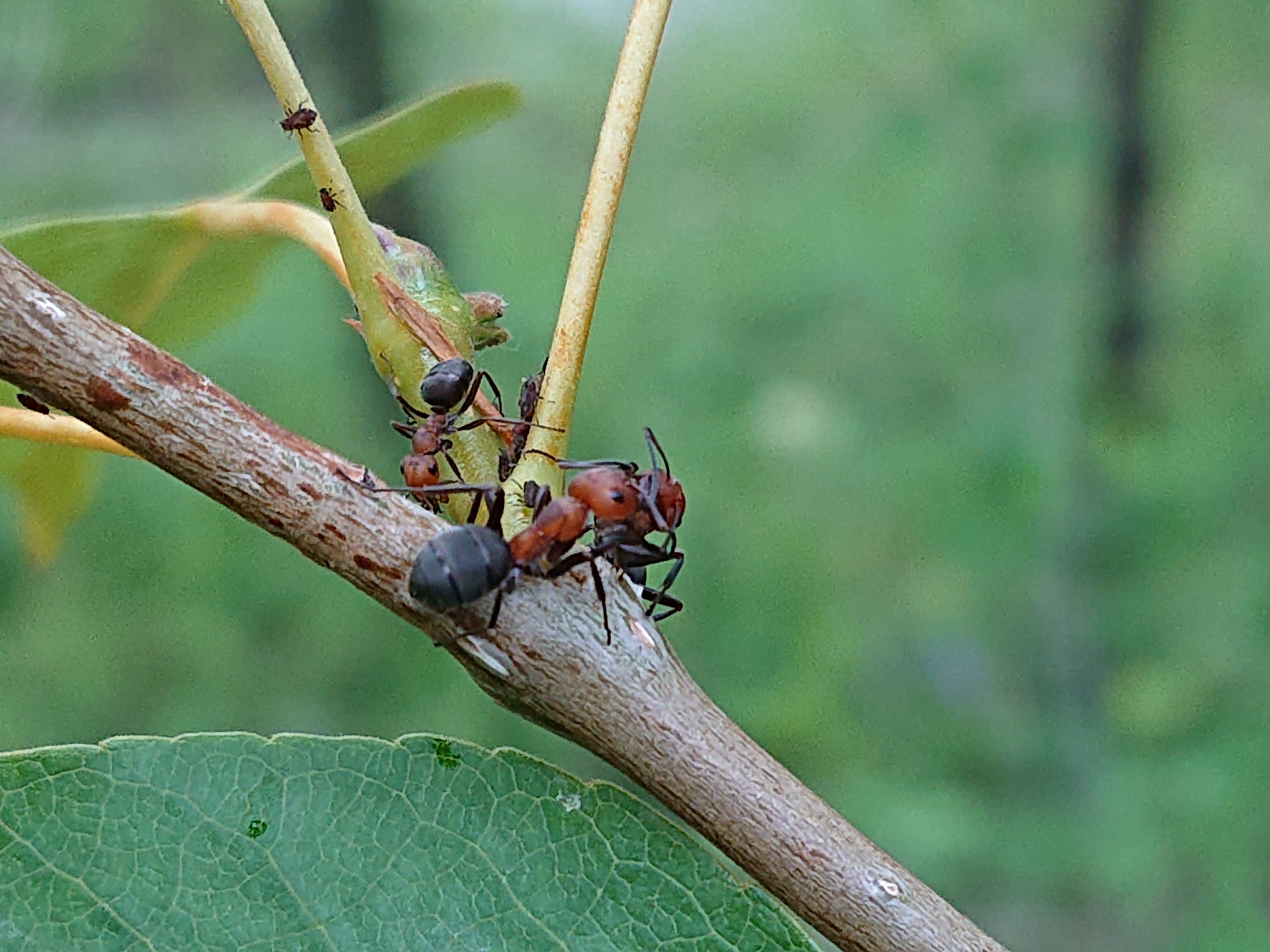
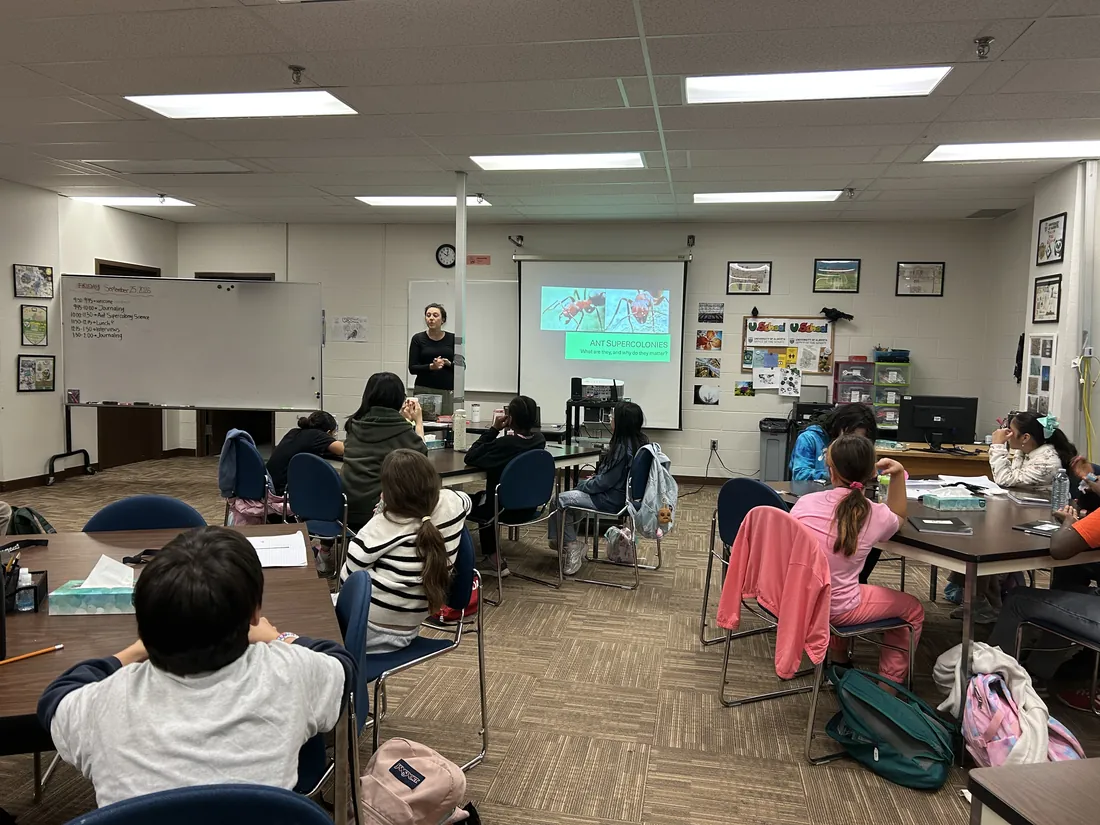
GATEWAY is a classroom-connected ecology project built to answer a deceptively large question: how far does a newly discovered ant supercolony extend across Alberta?
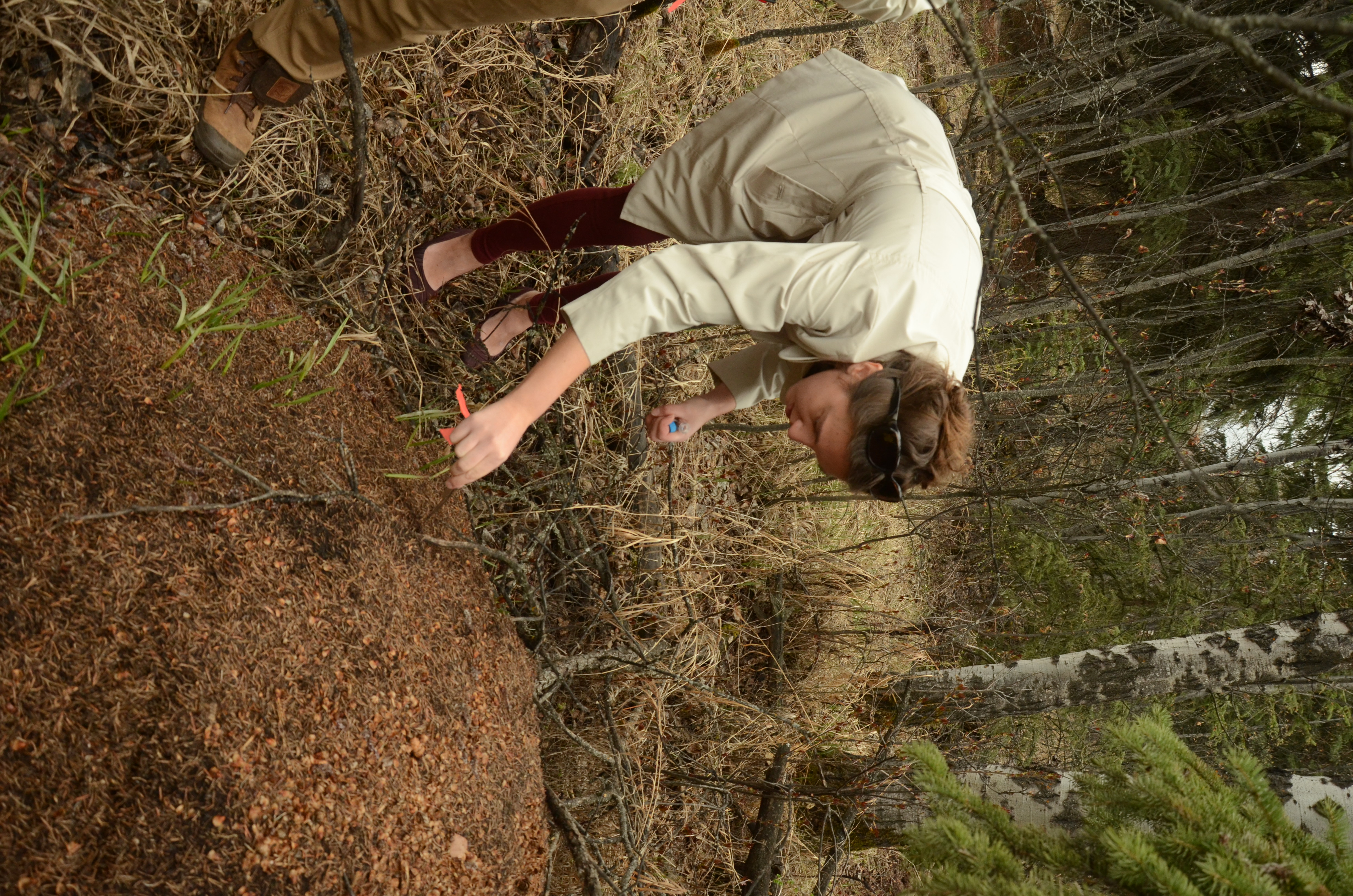
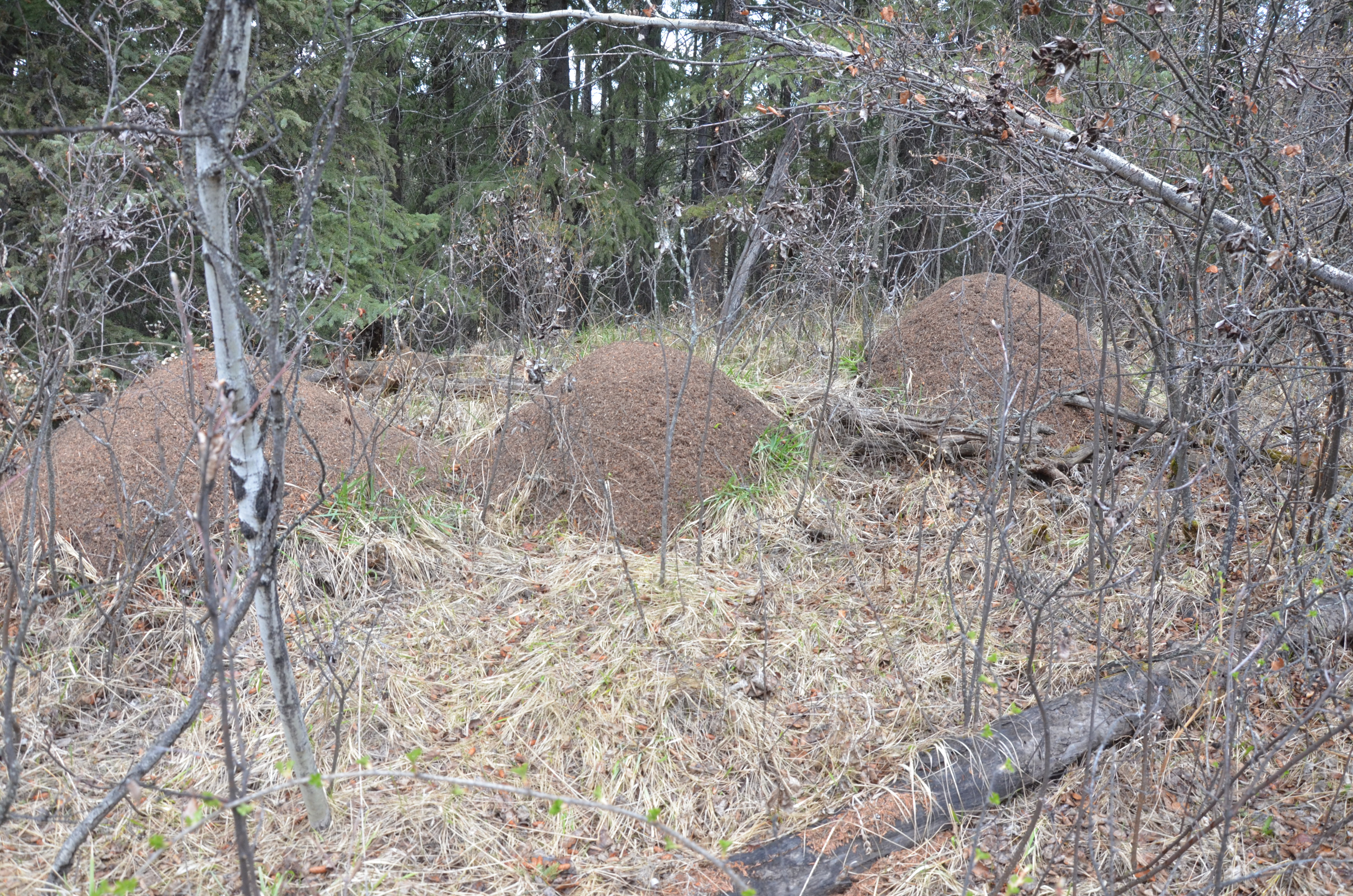
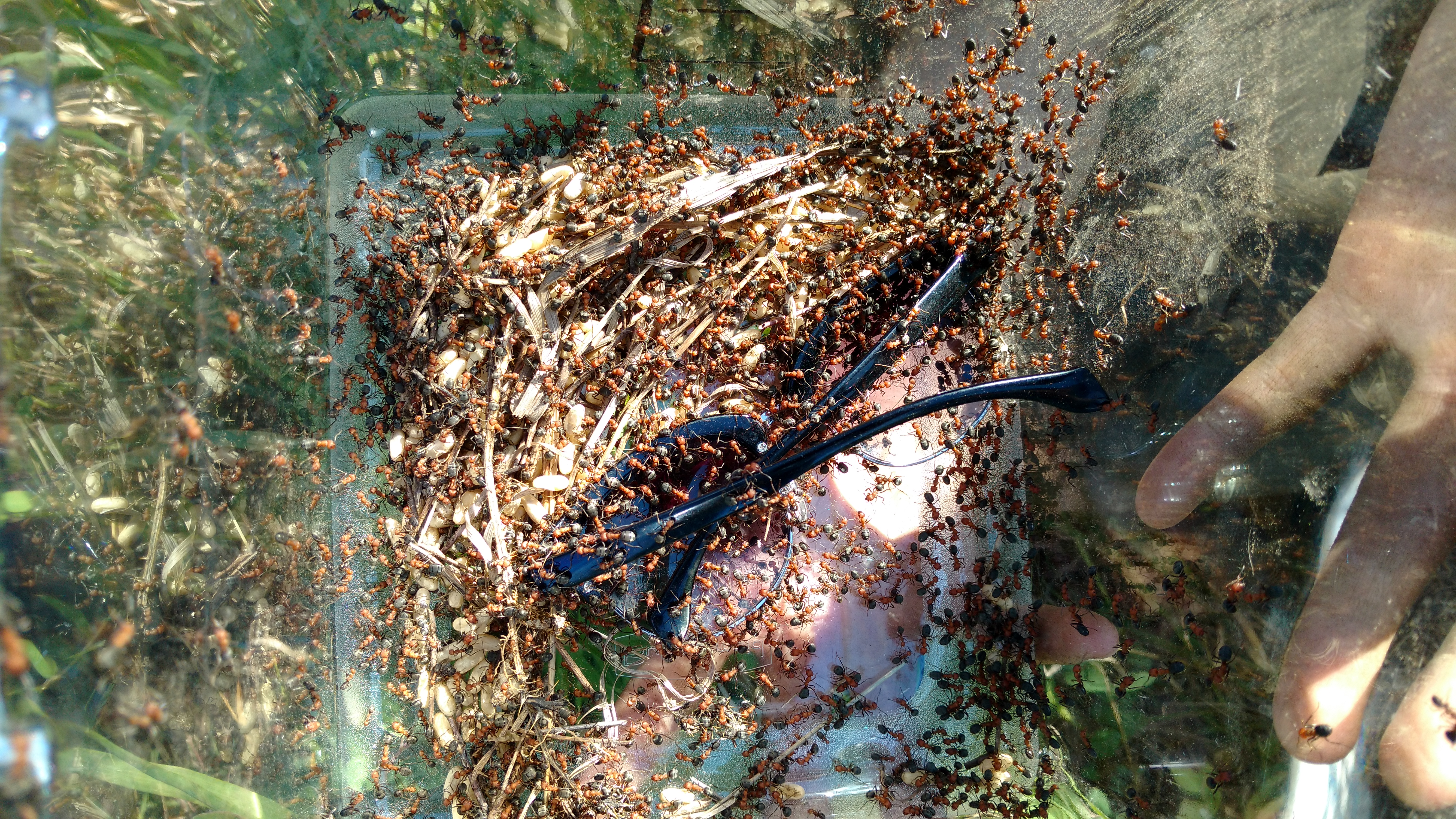
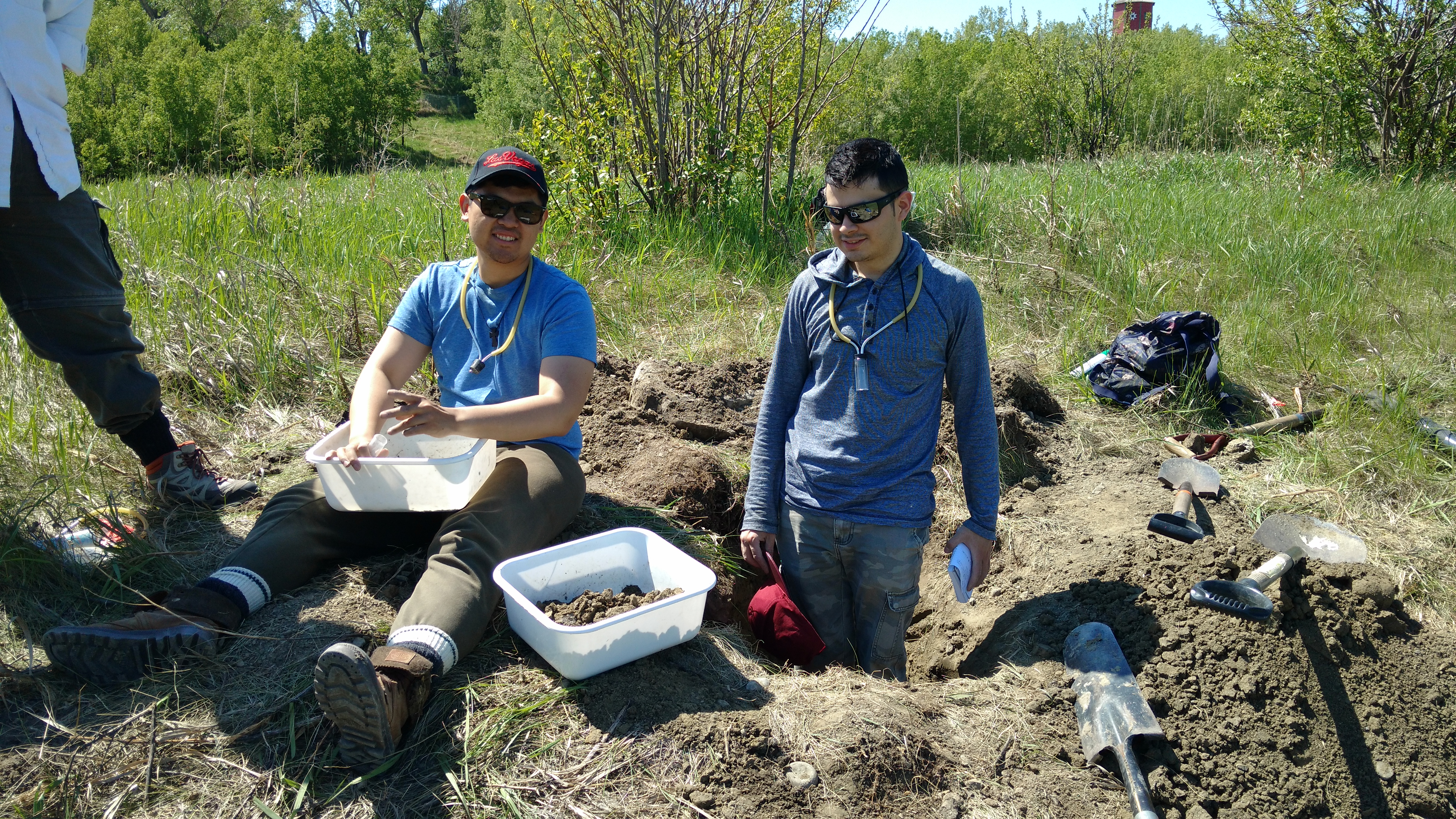
Researchers have already identified a supercolony in Fish Creek Provincial Park in Calgary that stretches at least several kilometres. Because some supercolonies elsewhere in the world can span enormous geographic areas, the team wants to test whether this one could extend far beyond the park, perhaps even across much of the province.
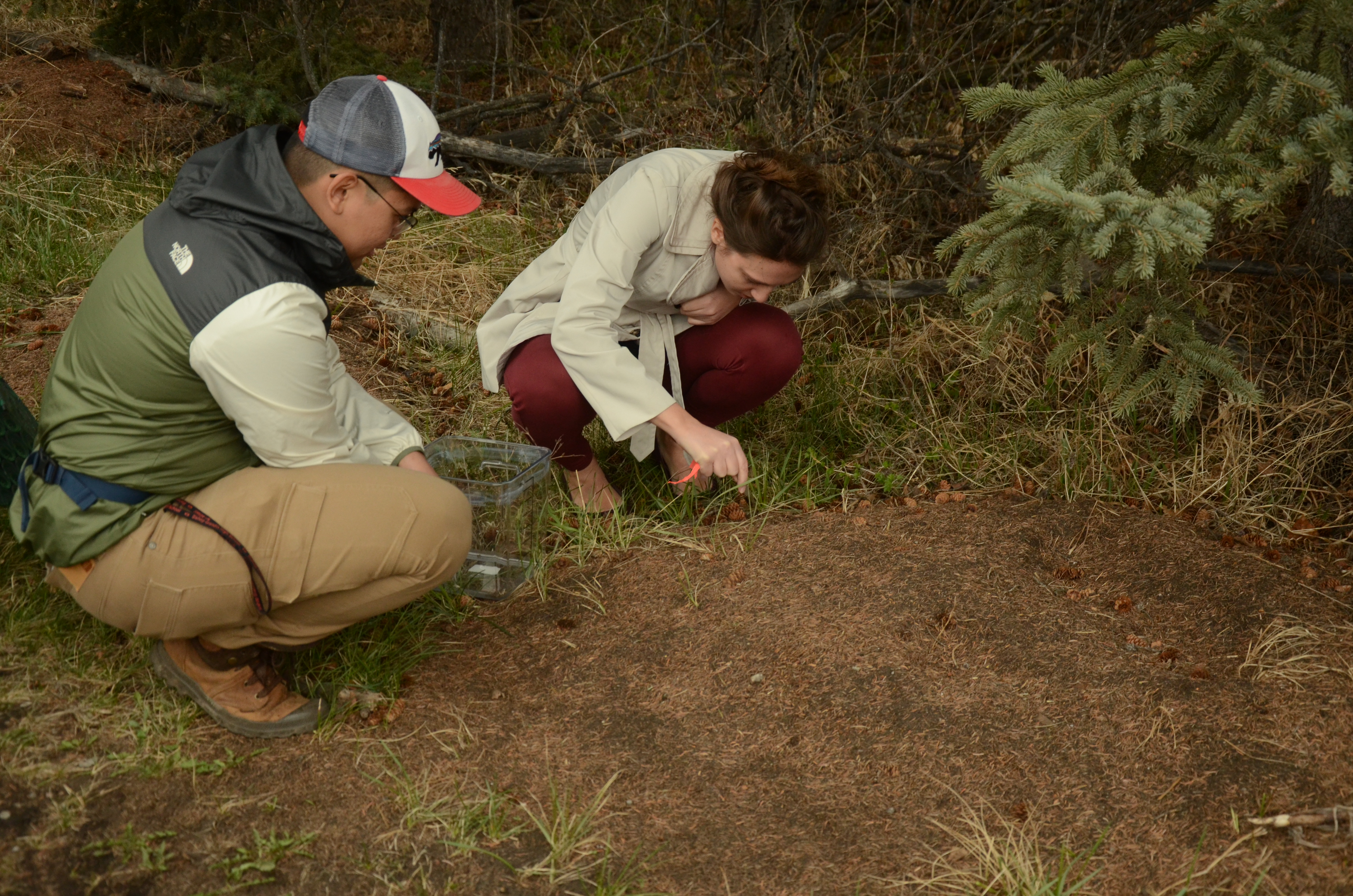
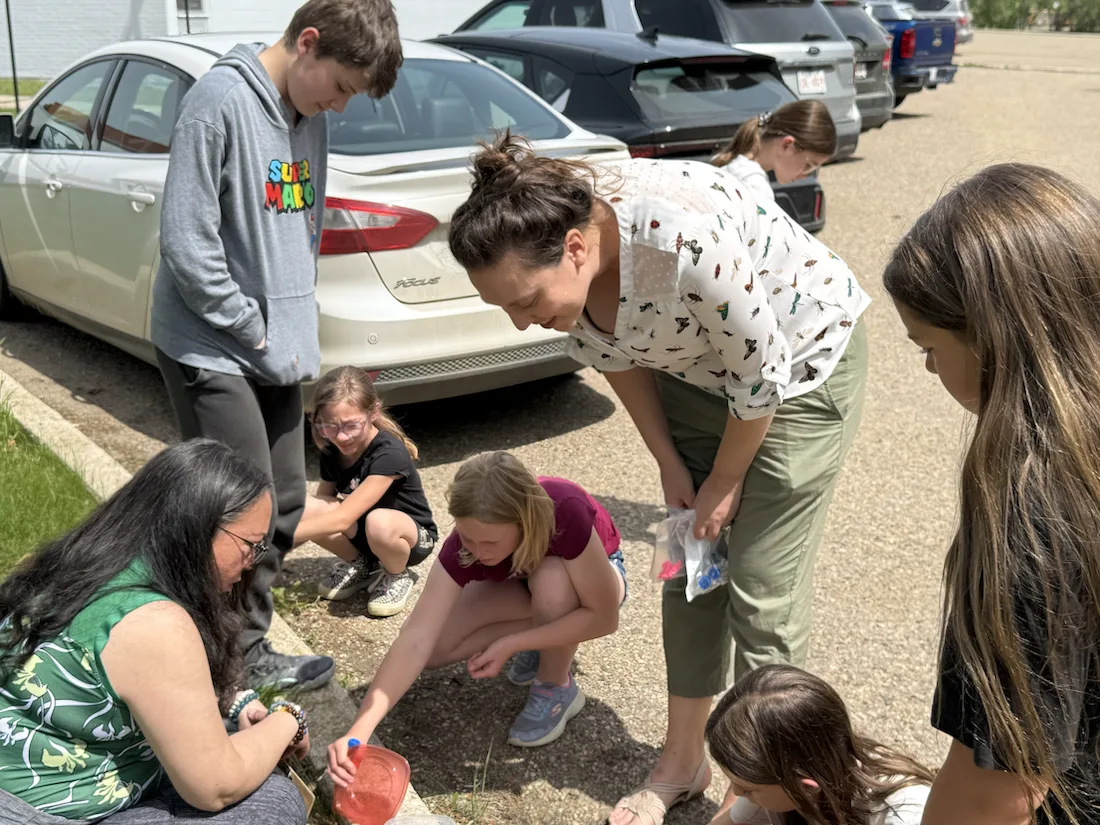
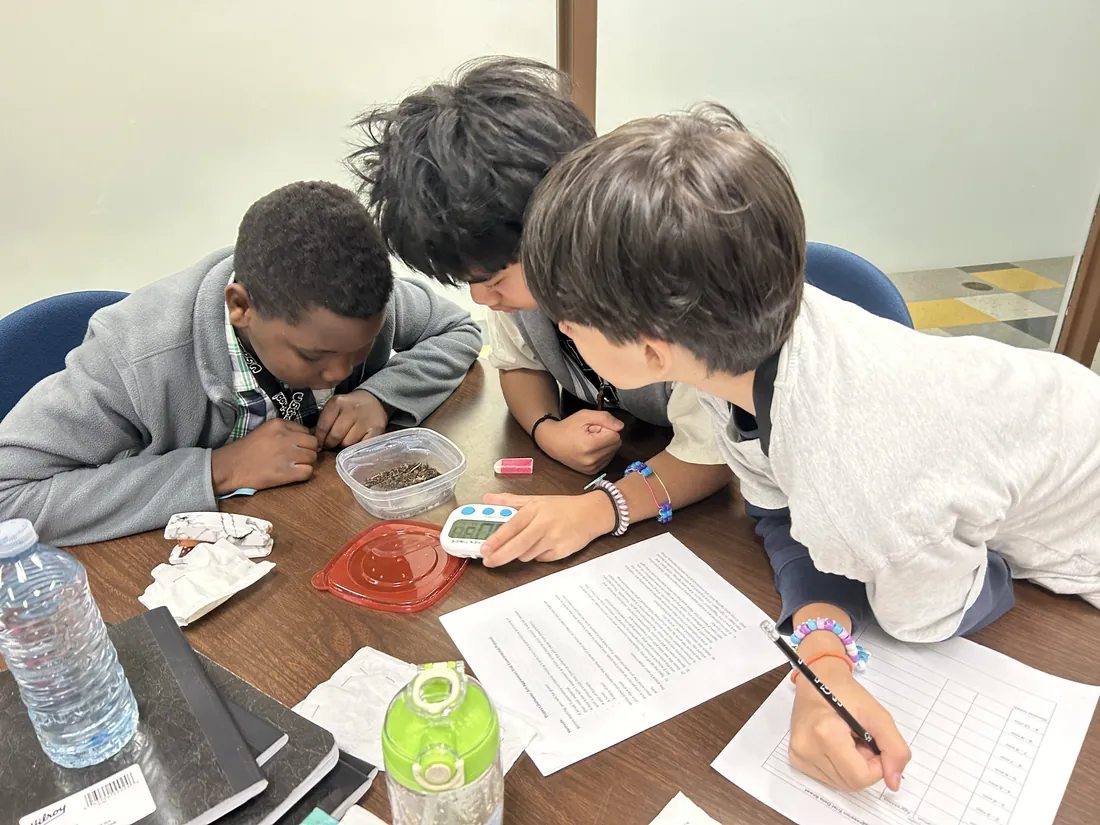
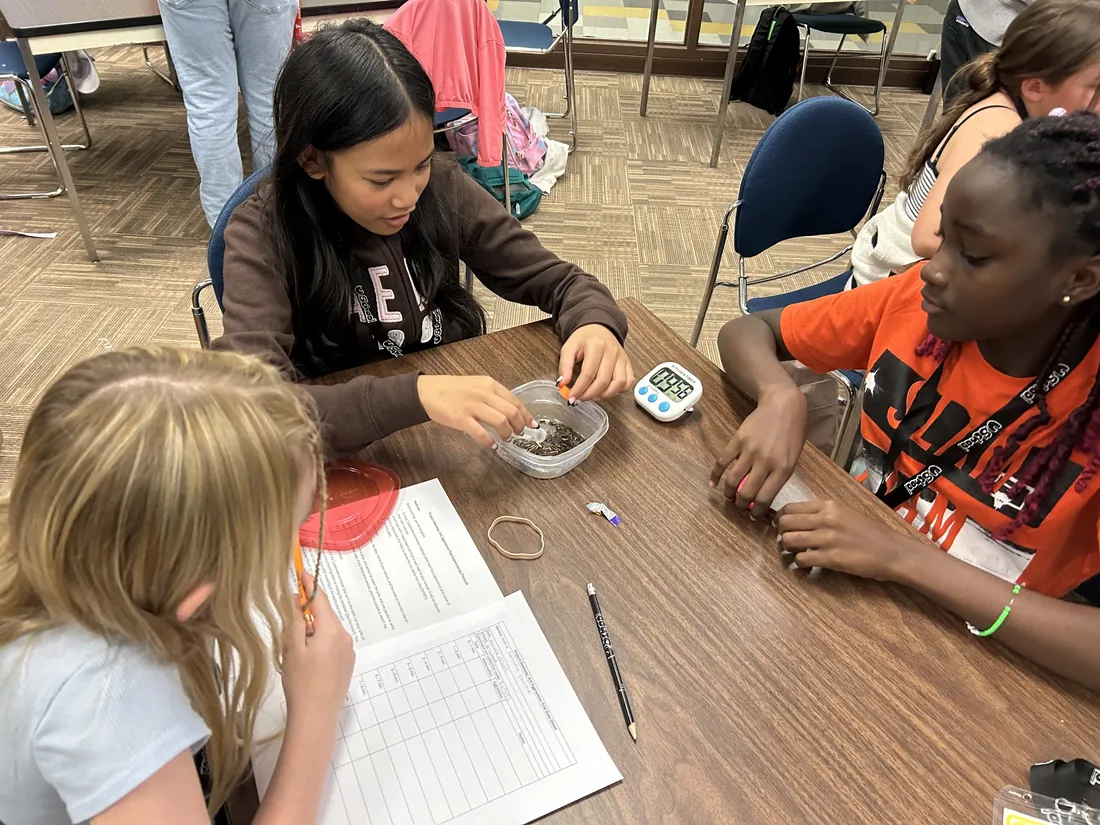
The project works because ant aggression is informative. Worker ants from the same colony usually tolerate one another, while ants from different colonies often react aggressively. By introducing workers from the known supercolony to local ants collected near participating schools, students can help generate a real map of colony boundaries through simple behavioural trials.
Why classrooms are central to the project
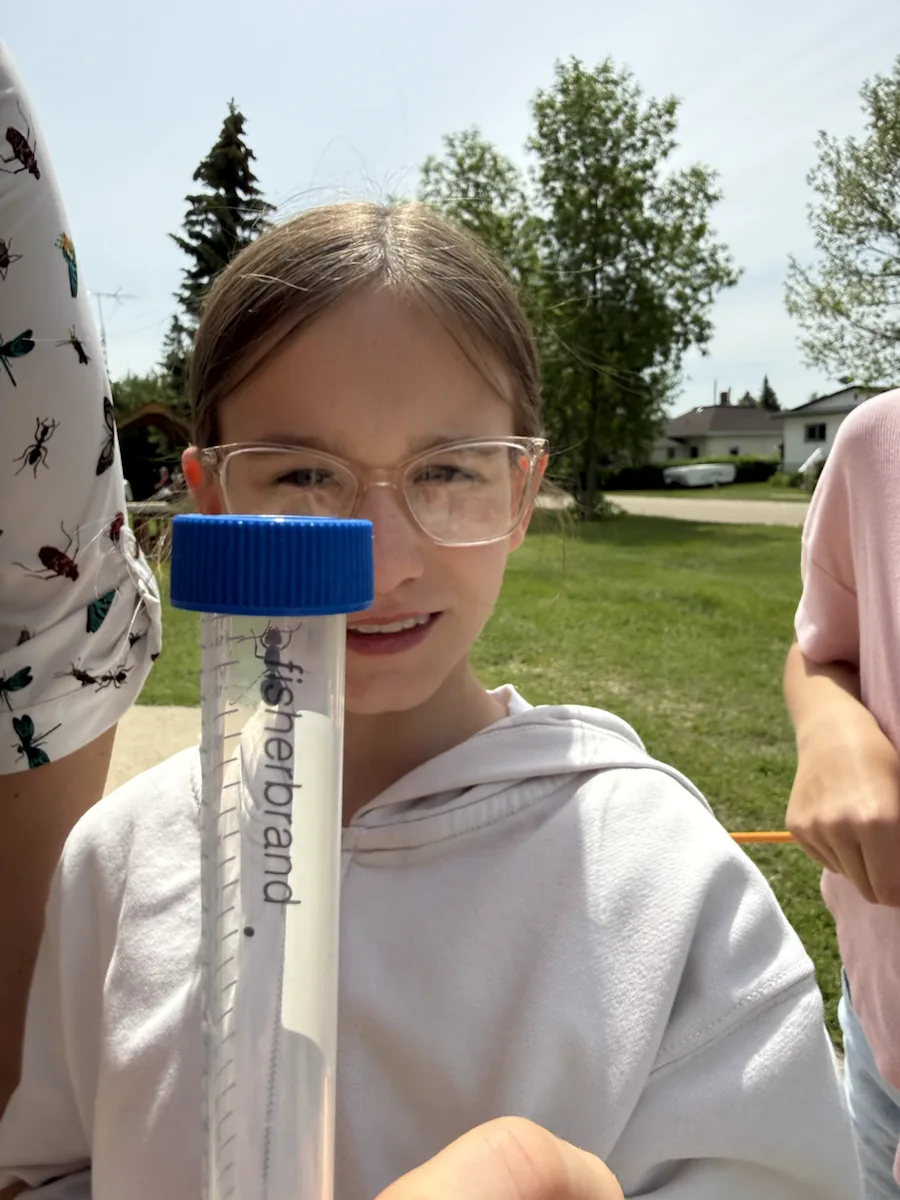
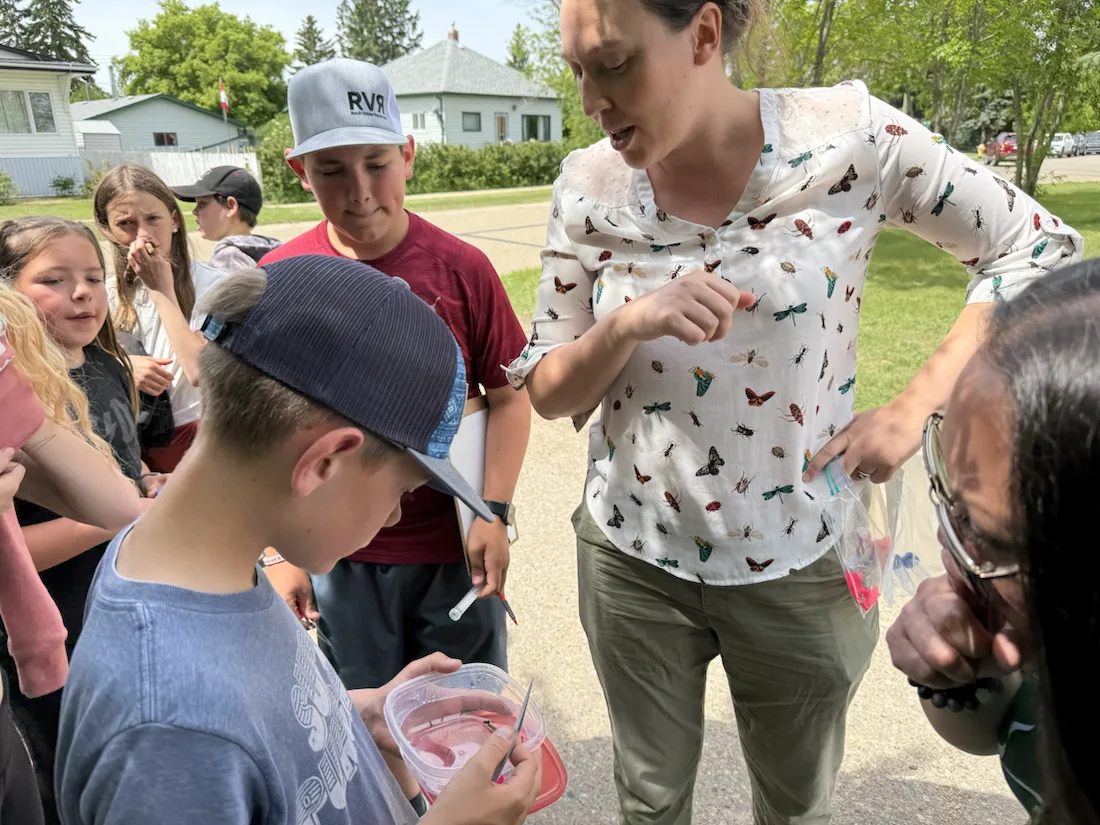
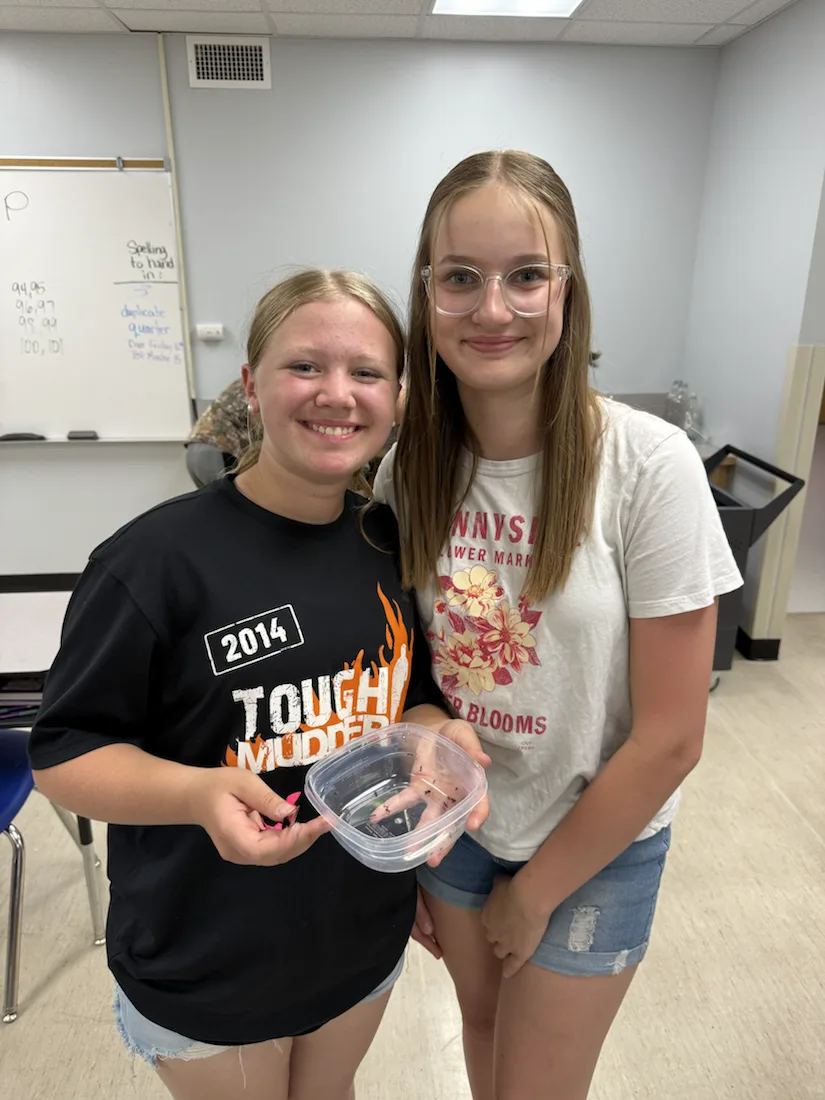
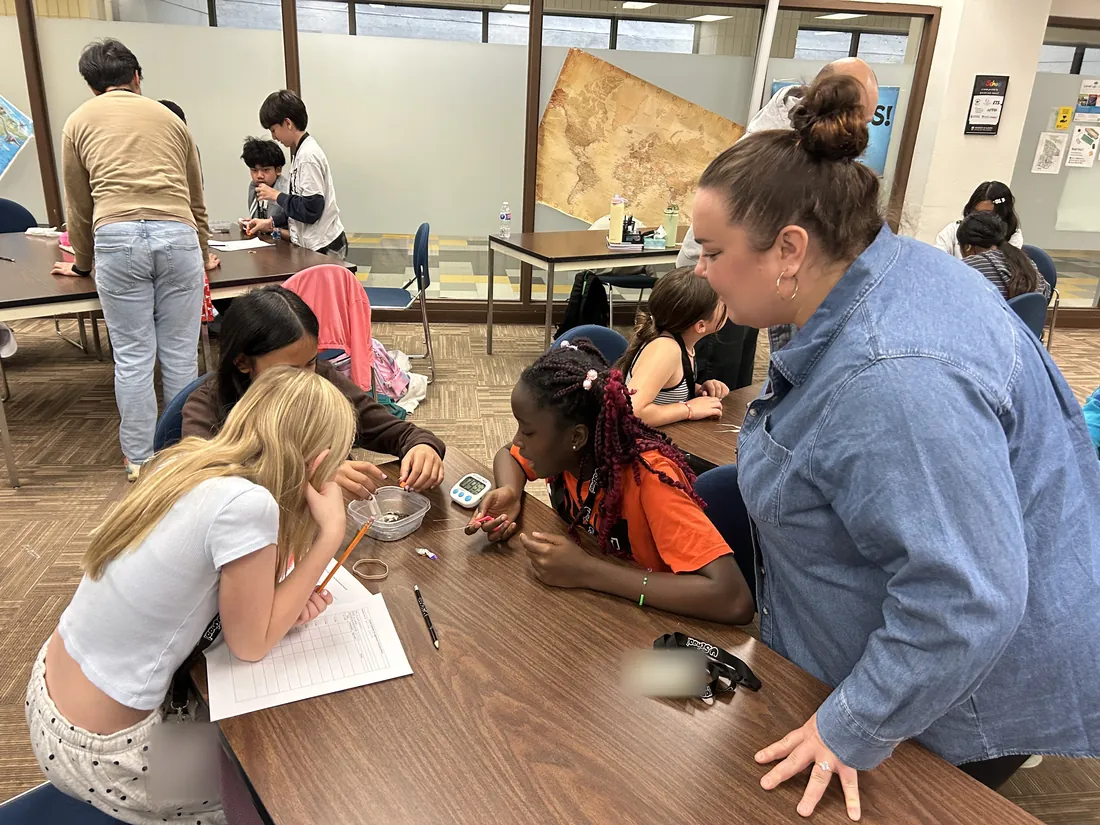
This is not a classroom activity added onto a finished study. It is part of how the study becomes possible. Alberta classrooms give the project geographic reach, local sampling power, and a way to connect biodiversity, behaviour, and the scientific method through direct observation.
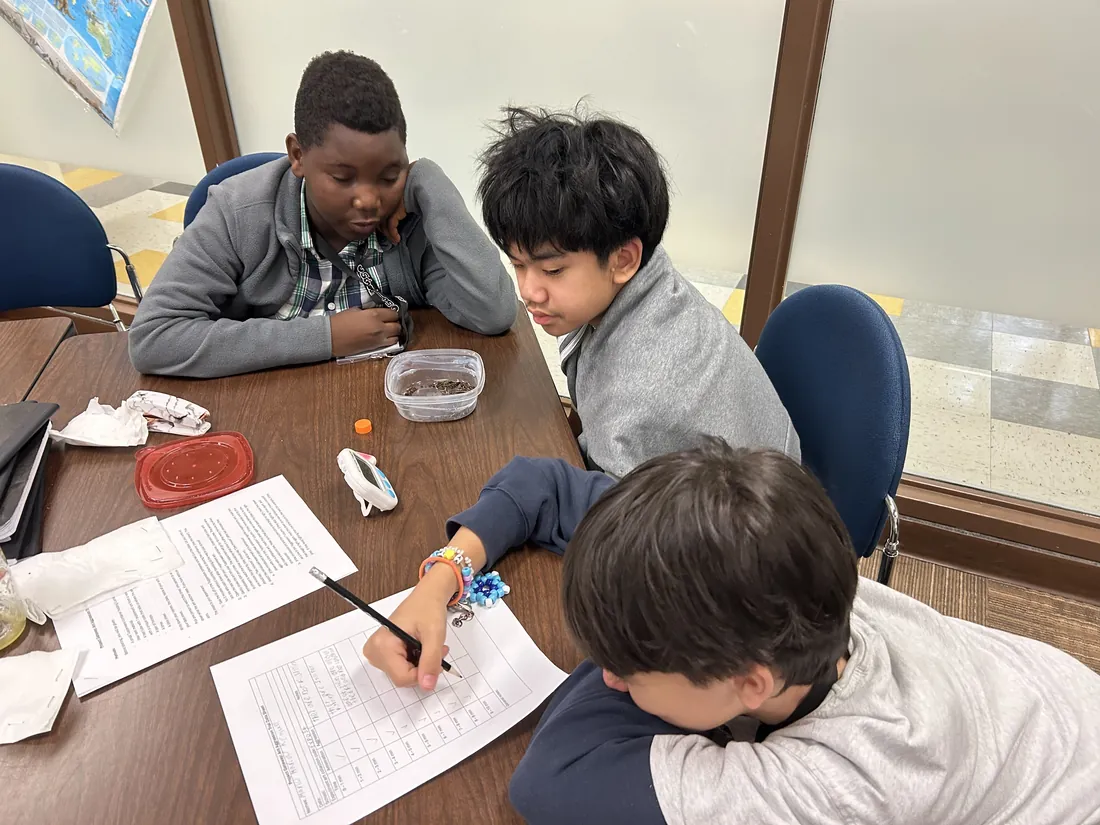
Participating students get to run genuine behavioural ecology experiments while contributing to a province-wide collaborative dataset. The long-term aim is to combine these contributions into a mapped understanding of the supercolony’s boundary and to publish the resulting data with student contributions acknowledged as part of the broader collaboration.
How aggression trials work
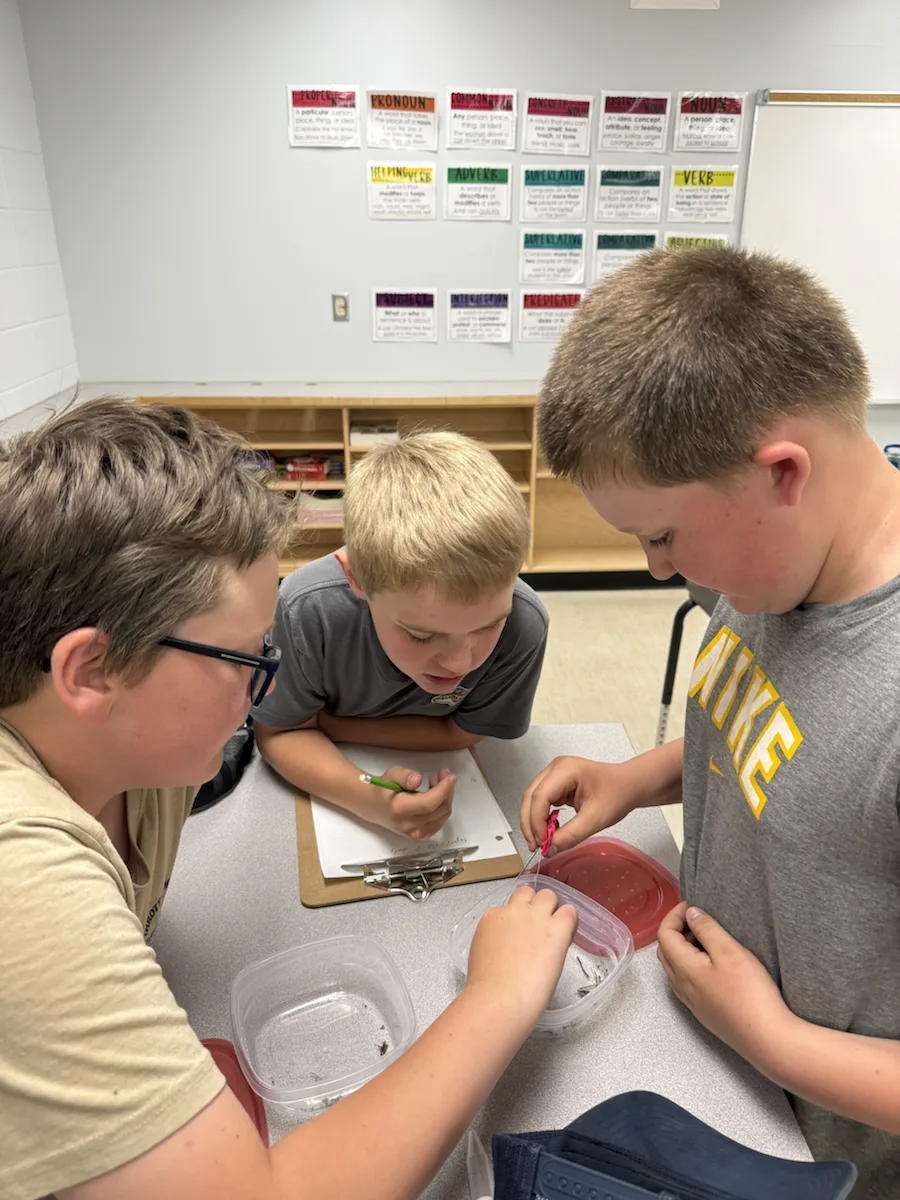
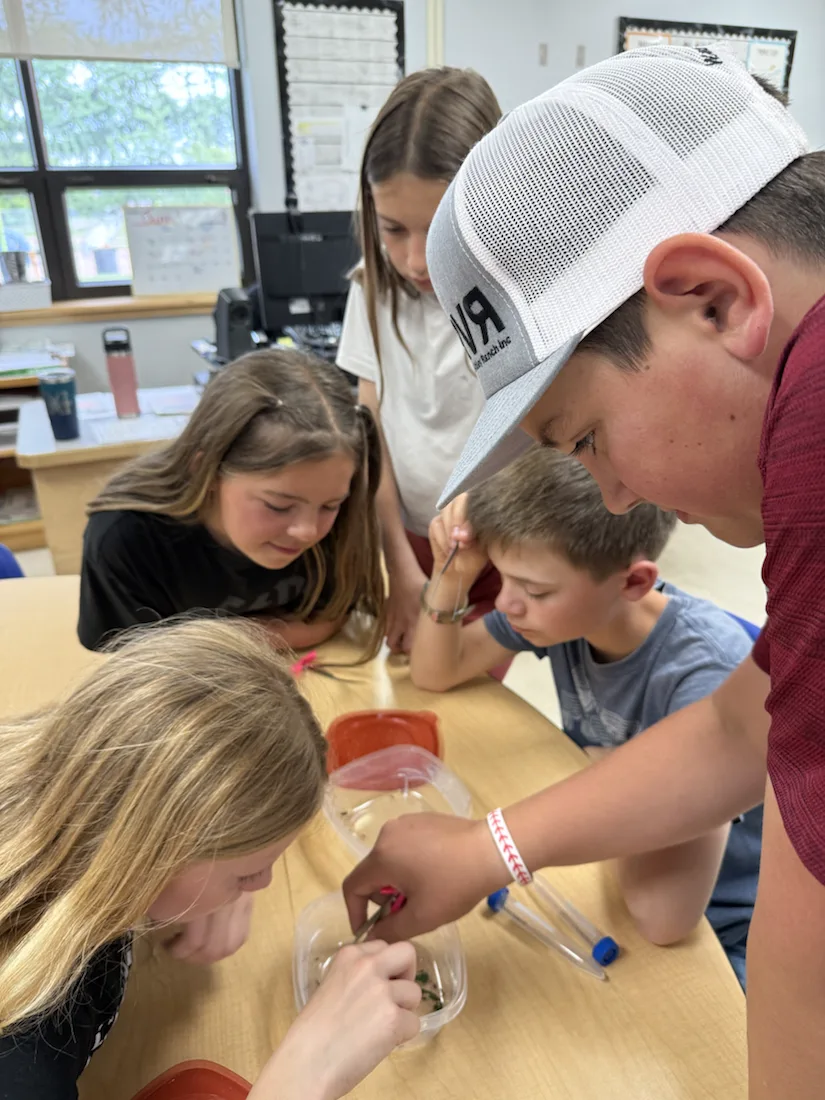
Students compare ants from the Fish Creek supercolony with ants of the same species collected near their school. If the ants behave non-aggressively, that suggests they may belong to the same wider colony. If they fight, that suggests they come from different colonies.
Because the behaviour is visible, structured, and measurable, the experiment is especially well suited to classroom teams. It creates a tangible link between animal behaviour, biogeography, and evidence generation.
How to join
Fill out the interest form and the research team will follow up to coordinate timing, materials, and classroom support. The form asks for your name, school and city, grade taught, preferred participation window, contact email, and any questions you’d like the team to answer.